Part of the Oxford Instruments Group
Expand
Collapse
Part of the Oxford Instruments Group

The University of Bristol cleanroom has recently added two new plasma processing systems to its atomic scale processing capabilities: the PlasmaPro Atomic Layer Etch (ALE) and PlasmaPro ASP Atomic Layer Deposition (ALD) tools from Oxford Instruments. These systems bring new atomic-scale processing abilities, enabling much finer control over how materials are etched and deposited, and opening new possibilities for next-generation semiconductor research.
The tools have been funded through funding from UKRI’s REWIRE IKC and the University’s UK–Japan collaborative research project. Together, they strengthen Bristol’s cleanroom infrastructure and support a growing focus on advanced device fabrication, particularly in areas where precision at the nanoscale is critical.
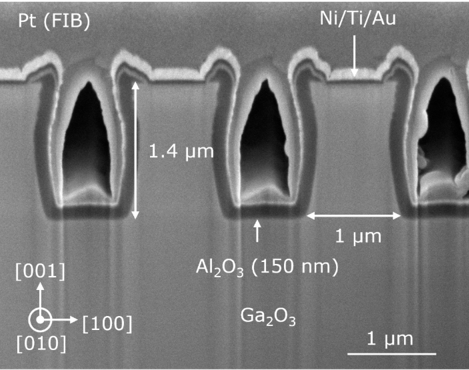
Figure 1 – SEM of a Trench Schottky barrier diode, with conformal ALD Al2O3 using Oxford Instruments PlasmaPro ASP
As semiconductor devices continue to shrink and performance requirements intensify, precise control of materials at the atomic scale is becoming increasingly important. This is particularly true for wide bandgap (WBG) materials such as gallium nitride (GaN) and silicon carbide (SiC), which are widely seen as key for high efficiency power electronics.
WBG devices are enabling advances in electric vehicles, renewable energy systems, and power conversion technologies, but their performance is often limited by the quality of interfaces and surfaces within the device structure. Conventional plasma processing techniques can sometimes introduce damage or lack the precision required for nanoscale features.
Atomic layer processes address this challenge by using self-limiting reactions that allow material to be removed or deposited one atomic layer at a time. By combining atomic layer etching and atomic layer deposition, researchers can achieve extremely precise control over surface composition, thickness, and interface quality.
The new tools at Bristol are enabling researchers to design and fabricate devices with unprecedented precision.
“The addition of these tools represents a significant increase in the capability of the Bristol cleanroom,” said Andy Murray, Cleanroom Manager at the University of Bristol. “Atomic layer processing gives us an entirely new level of control over surface engineering. This will allow our users to develop more sophisticated fabrication processes and push the performance of wide bandgap devices further.”
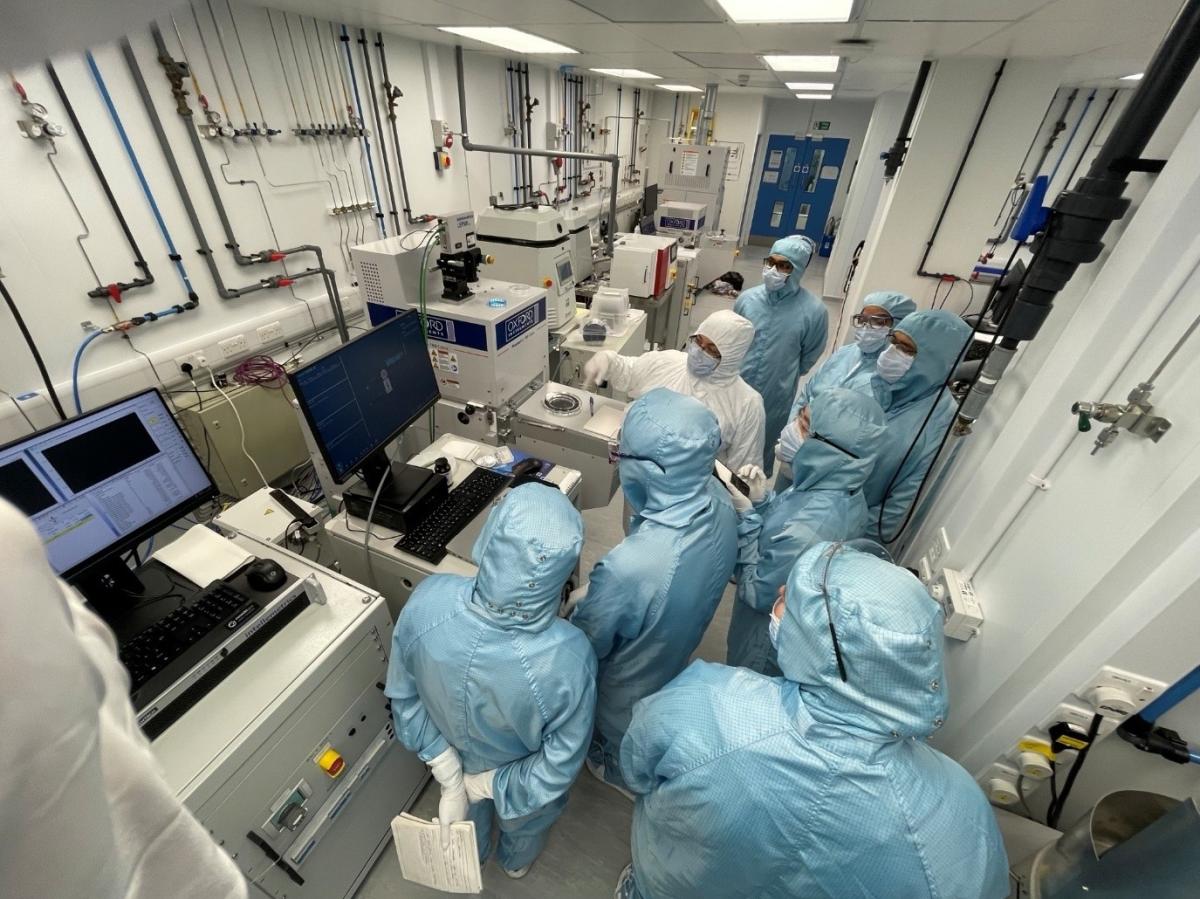
Figure 2 - Training on the PlasmaPro Atomic Layer Etch system in the University of Bristol cleanroom
The PlasmaPro ALE system enables controlled, layer-by-layer removal of material through cyclic plasma processes. Unlike conventional plasma etching, which removes material continuously, ALE works through a sequence of carefully controlled steps that remove only a fraction of a nanometre during each cycle.
This level of control allows researchers to create extremely smooth, low damage surfaces and precisely define nanoscale device structures. For wide bandgap power devices, this capability is particularly valuable for processes such as gate recess formation, mesa isolation, and interface preparation.
Atomic layer etching can also reduce plasma induced damage, which is a critical consideration for high performance devices where surface defects can significantly impact reliability and efficiency.
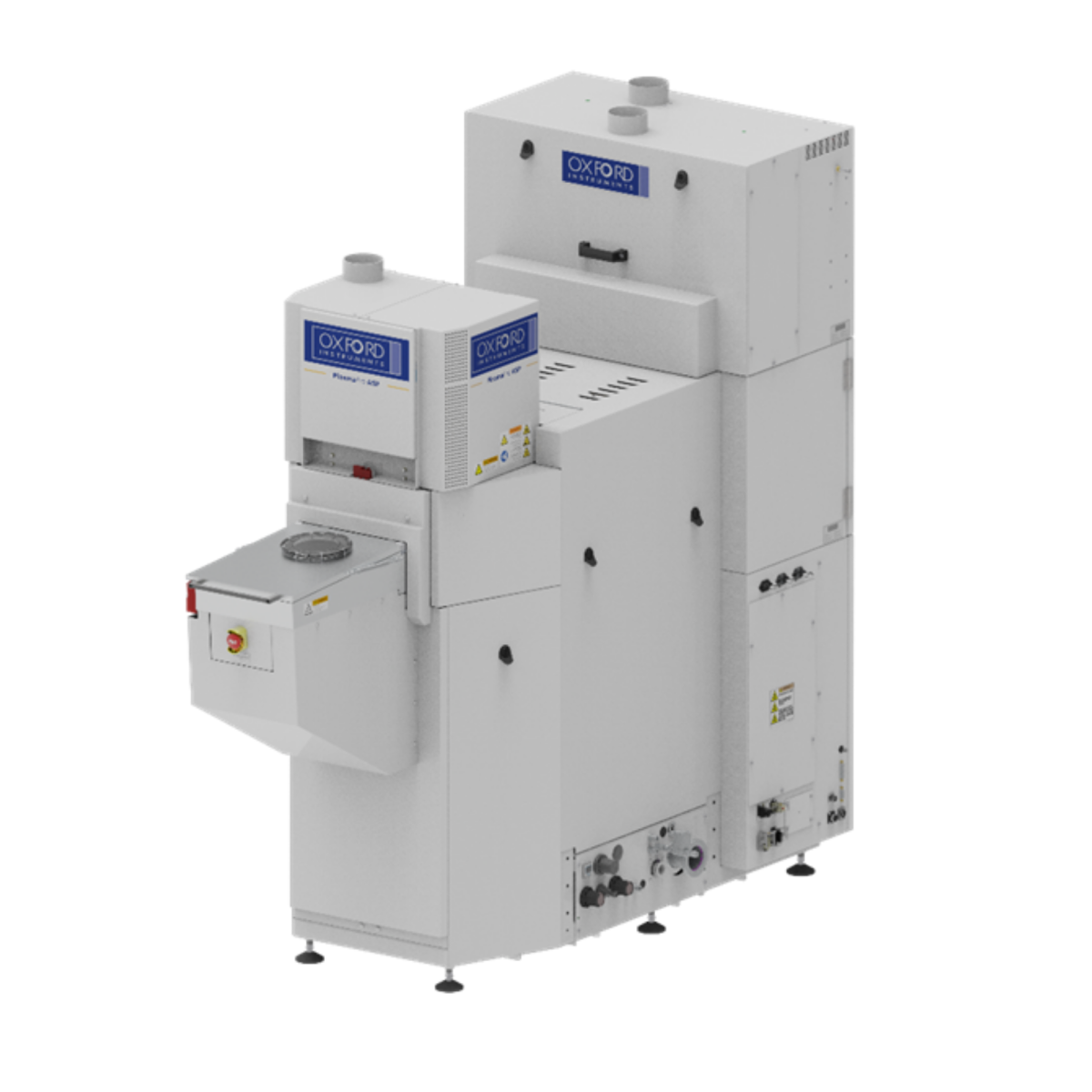
Figure 3 - Oxford Instruments PlasmaPro ASP ALD system
Complementing the ALE capability is the new PlasmaPro ASP ALD system, which enables plasma enhanced atomic layer deposition of high-quality thin films.
ALD is increasingly used in advanced semiconductor manufacturing because it allows extremely uniform and conformal coatings, even on complex 3D structures. Each ALD cycle deposits a precisely controlled amount of material, allowing film thickness to be perfectly tuned.
For wide bandgap devices, this technology is particularly important for forming high quality gate dielectrics and passivation layers. The plasma enables lower temperature processing and improved material properties compared with purely thermal approaches.
Together, the ALE and ALD systems provide a powerful combination: the ability to remove and deposit material with atomic scale precision. This opens the door to new process flows where surfaces can be engineered with extraordinary control.
Oxford Instruments and the University of Bristol have a long-standing collaboration, now strengthened by the installation of these new systems.
Oxford Instruments is a global leader in plasma processing systems used in both academic and industrial semiconductor research and production. Having these platforms installed in the Bristol cleanroom creates opportunities for joint process development and collaborative research on emerging semiconductor technologies. By performing the work on production ready tools, transfer of the research to production environments is readily facilitated.
“The partnership with the University of Bristol provides an exciting environment for the development of next generation atomic layer processing technologies,” said Dr Harriet van der Vliet, Head of Strategic R&D Markets at Oxford Instruments. “Bristol has a strong track record in wide bandgap device research, and these tools will help enable new process innovations that benefit both academic research and industrial applications.”
With the addition of the PlasmaPro ALE and ASP ALD systems, the University of Bristol cleanroom is further strengthening its position as a leading centre for advanced semiconductor research.
The tools will support international collaborations, including the UK–Japan research programme, while also enabling new partnerships with industry through initiatives such as REWIRE. Most importantly, they provide researchers with the atomic scale control needed to explore the next generation of wide bandgap power devices.
The installation of these tools builds on an established collaboration between the University of Bristol and Oxford Instruments, where ALD has already been used to explore and optimise device performance in wide bandgap semiconductor systems.
Work led by researchers in the REWIRE and the CDTR group in the School of Physics has demonstrated how ALD processes can improve dielectric quality, enhance interface properties, and directly impact device behaviour. These studies provide early evidence of the potential of atomic-scale processing in addressing key challenges in WBG devices:
Collaborations between Oxford :Instruments and REWIRE have also been featured in Oxford Instruments' Semi Interface magazine:
Issue #1: A review of the silicon carbide gate oxide by Prof. Peter Gammon
Issue #1: The next big power interface challenge by the Team at the University of Bristol
Issue #4: ICSCRM 2025: Plasma Technology & Warwick collaboration round‑up by Dr Arne Benjamin Renz
To discover whether Oxford Instruments can support and develop your application, please get in touch with our team and we will be happy to discuss how our tools can benefit you.
Ask a questionFollow our publications page to see what our customers and our researchers at Plasma Technology are doing with our systems.
Keep in touch with our Oxford Instruments Semiconductors page on LinkedIn to find out what conferences you can speak to us at and all of our latest updates.
REWIRE is a UKRI-funded Innovation and Knowledge Centre (IKC) focused on accelerating the development and adoption of the next-generation wide and ultra-wide bandgap power electronics. Based at the University of Bristol and delivered in partnership with the Universities of Cambridge and Warwick, REWIRE is bringing together academics, industry partners and international collaborators, supporting the translation of cutting-edge research into real-world technologies. By connecting advanced materials, device and packaging research with device engineering, testing and manufacturing, REWIRE aims to enable more efficient, sustainable power systems for applications ranging from electric vehicles to renewable energy infrastructure.

Innovation Director, REWIRE, University of Bristol
As Innovation Director, Katie leads REWIRE’s strategy for industry engagement, technology translation and collaborative R&D, working with academic and industrial partners to develop joint programmes and accelerate pathways from early-stage discovery to commercial application. She also builds national and international partnerships and contributes to the UK’s wider power electronics innovation ecosystem. Katie has over a decade of experience in the semiconductor sector across power electronics, optoelectronics and quantum technologies, and holds a DPhil in Chemistry.



© Oxford Instruments 2026